
New analysis from Avalere Health, commissioned by PACH, highlights early impacts of Medicare drug negotiation on cardiovascular care.
Papers
Policy Brief: Adjusting Quality Measures for Improved Cardiovascular Outcomes Through Better LDL-Cholesterol Management
By requiring LDL-C testing and returning to achievement of defined goals, NCQA and CMS can transform care delivery, reduce recurrent cardiac events and save lives.
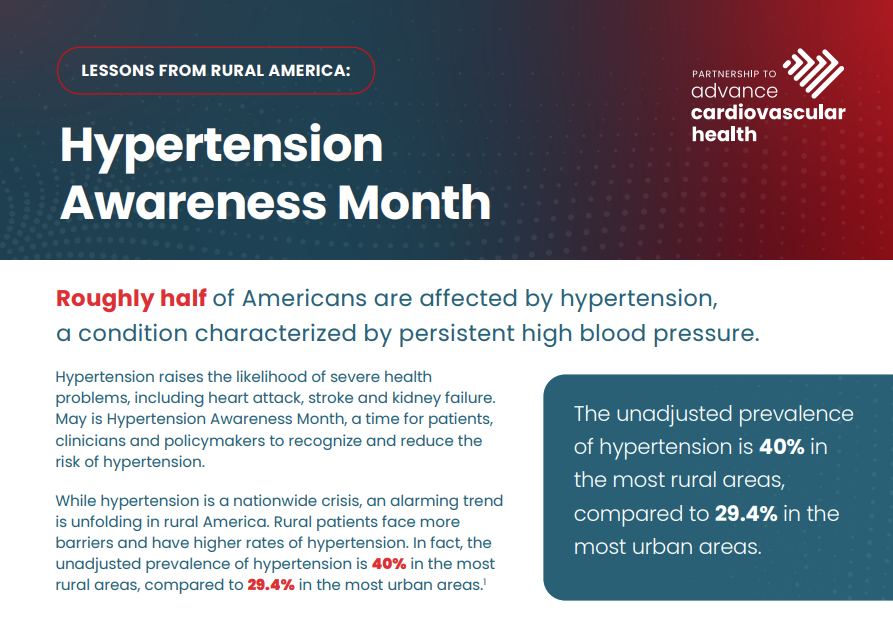
Hypertension in Rural America
Rural patients face more barriers and have higher rates of hypertension. In fact, the unadjusted prevalence of hypertension is 40% in the most rural areas, compared to 29.4% in the most urban areas.
5 Things to Know: 2026 ACC/AHA Dyslipidemia Guideline Updates
On March 13, 2026, the American College of Cardiology and the American Heart Association released updated guidelines to both manage and prevent cardiovascular disease. These updates are the first in thirteen years, providing much-needed clarity for providers and patients alike.
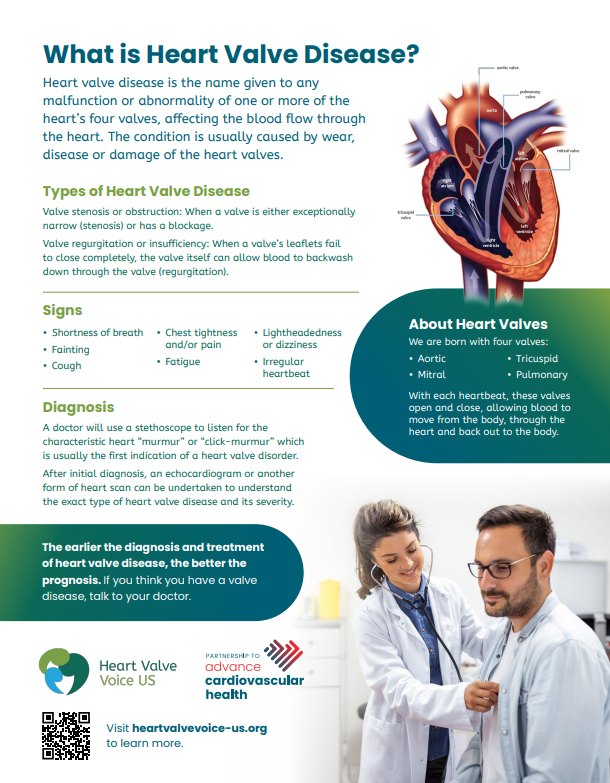
Types of Heart Valve Disease
Heart valve disease is the name given to any malfunction or abnormality of one or more of the heart’s four valves, affecting the blood flow through the heart.
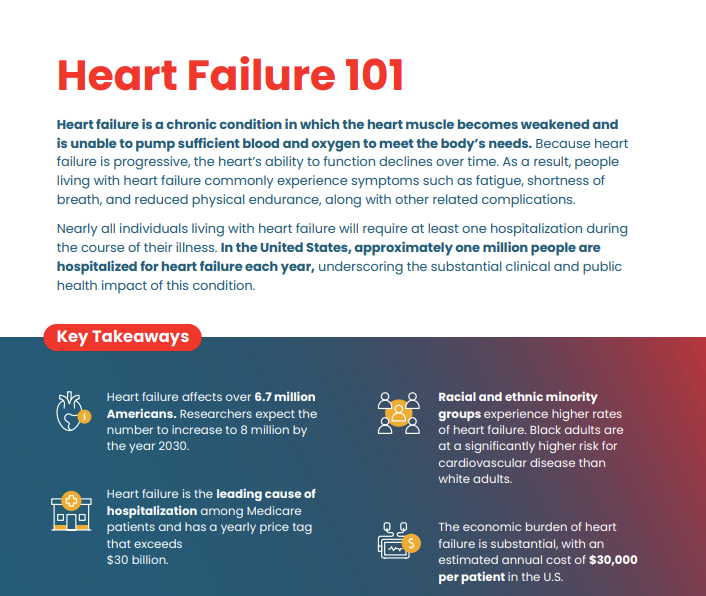
Heart Failure 101
Heart failure is a chronic condition in which the heart muscle becomes weakened and is unable to pump sufficient blood and oxygen to meet the body’s needs.
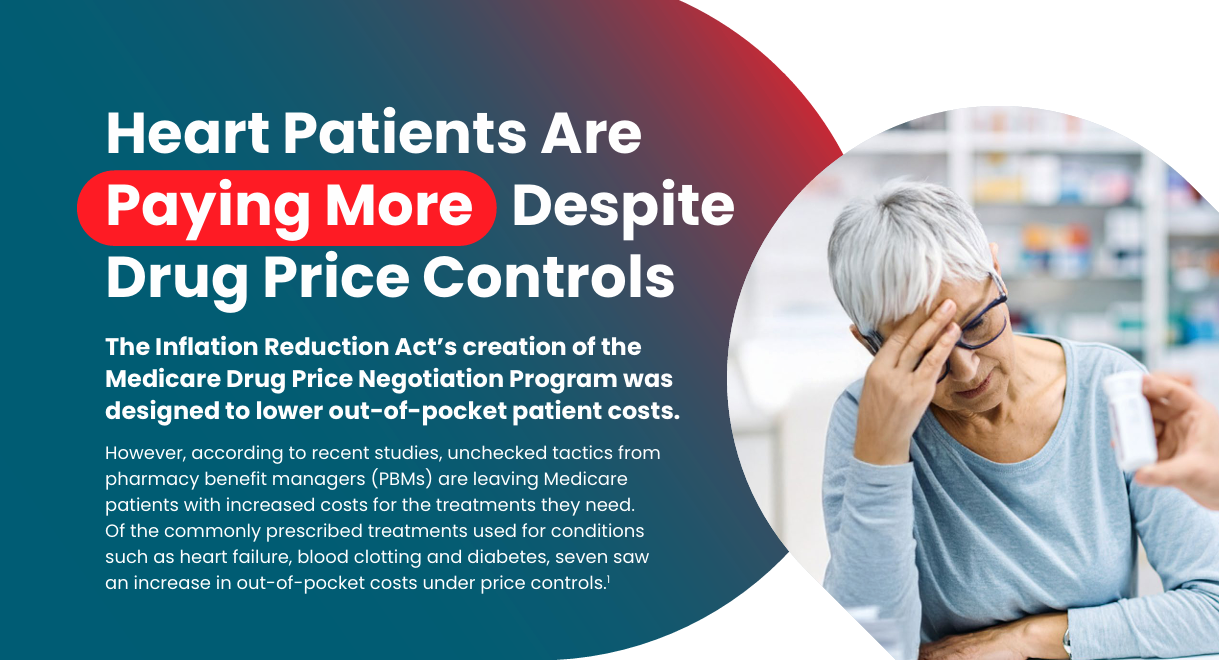
Formulary Guidance
According to recent studies, unchecked tactics from pharmacy benefit managers (PBMs) are leaving Medicare patients with increased costs for the treatments they need.
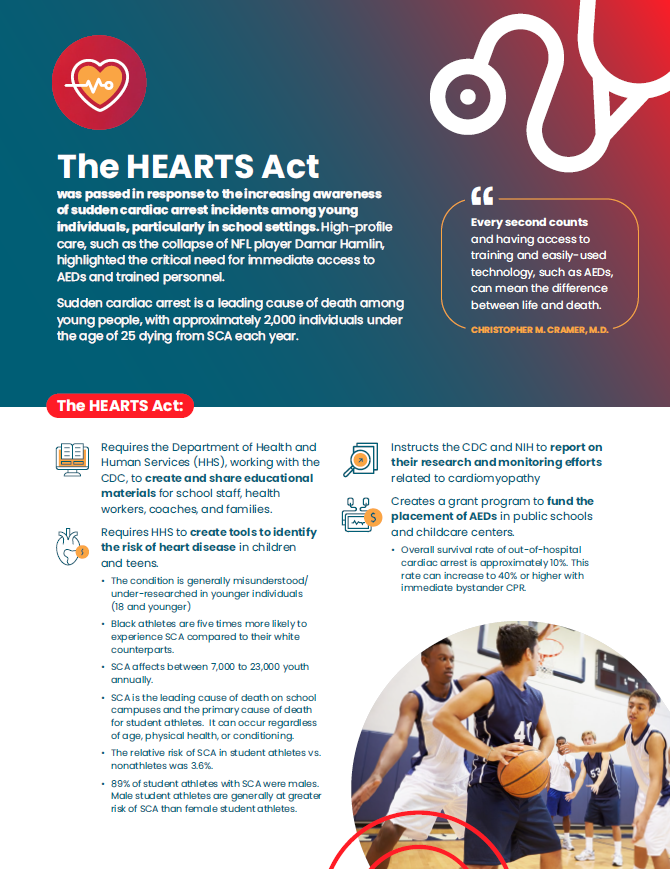
The HEARTS Act
The HEARTS Act was passed in response to the increasing awareness of sudden cardiac arrest incidents among young individuals, particularly in school settings.
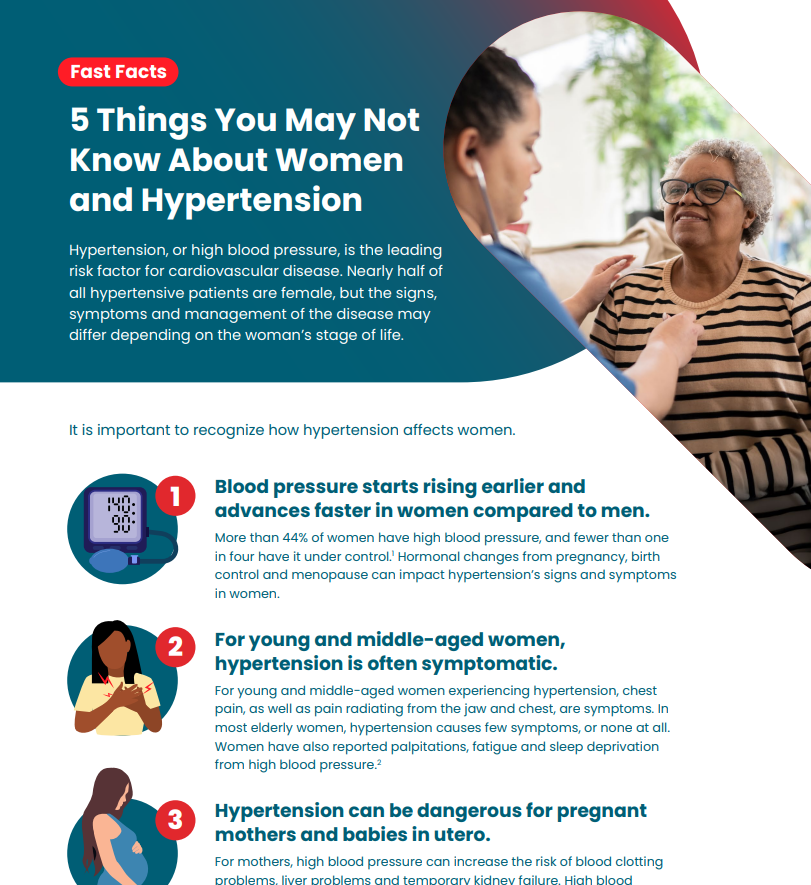
5 Things You May Not Know About Women and Hypertension
It is important to recognize how hypertension affects women.

Impact of Medicare Drug Price Negotiation on Cardiovascular Disease Product Development and Patient Access
Avalere study
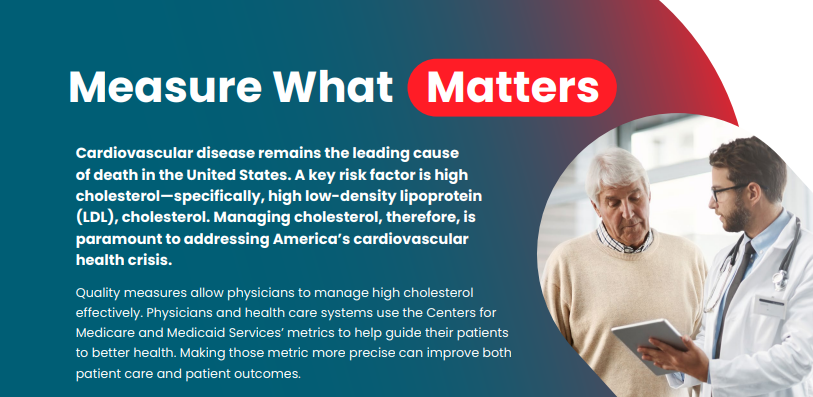
Measure What Matters
Cardiovascular disease remains the leading cause of death in the United States. A key risk factor is high cholesterol—specifically, high low-density lipoprotein (LDL), cholesterol.

Veterans & Hypertension
Veterans suffer from higher rates of cardiovascular diseases, including hypertension.