
Resources

The MINI Act: Advocacy Toolkit
A comprehensive resource to help patients, advocates, and partners raise awareness of the MINI Act and build support for policies that advance genetically targeted technologies and the next generation of medical innovation.
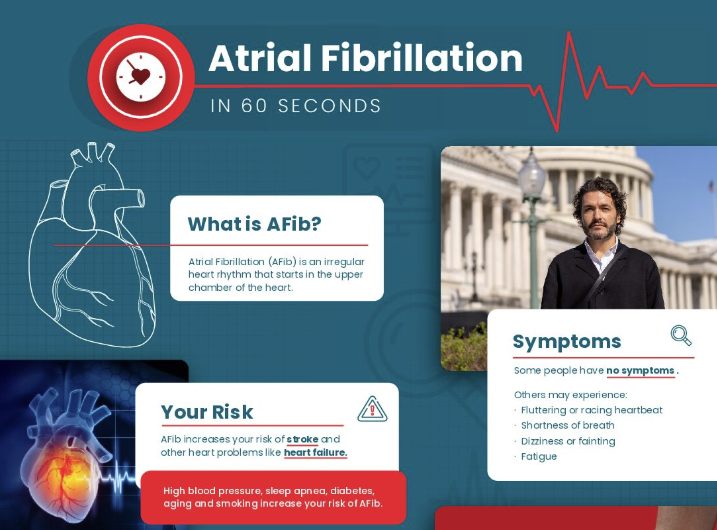
Atrial Fibrillation: Know the Signs, Know Your Pulse
Atrial fibrillation (AFib) is an irregular heart rhythm that can increase the risk of stroke and other heart complications. Learn the signs, understand your risk, and discover simple ways to check your pulse and take action for your heart health.

Nick and Jake’s Fight for Life-Changing Treatment Access
Nick and Jake both struggled to find an effective treatment to manage their obesity. Once they found a treatment that worked for them, health plans eventually stopped covering their medications. They hope that sharing their story will allow patients to access the innovative treatments they need.

Why Obesity Treatment Access Matters: Sarah’s Story
Sarah Baker found a treatment that helped manage her obesity, but insurance barriers prevented her from accessing the life-changing treatment she needed. In her testimonial, she encouraged policymakers to support the Treat and Reduce Obesity Act.
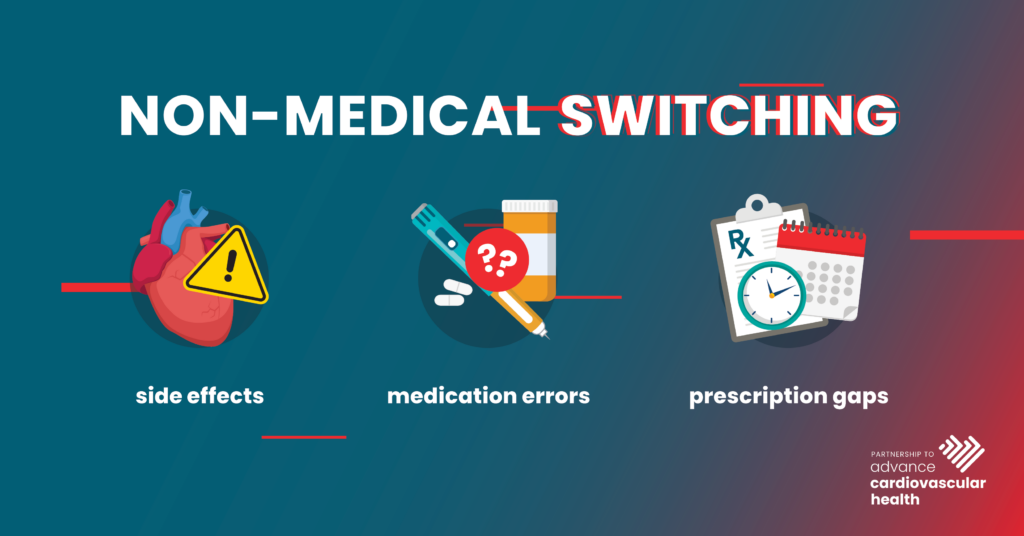

The Costly Side Effects of Switching Heart Patients’ Medications
Cardiovascular disease remains a leading cause of death in the United States. But patients who rely on specialty medications to keep their heart conditions under control now routinely see their care interrupted by insurance requirements. One common practice is known as non-medical switching.

How Knowing His Cholesterol Numbers Saved Niko’s Life
Niko Weddle discovered he had a major blockage in his arteries during a routine screening. Since then, he’s been sure to monitor his cholesterol numbers.
Evaluating Access to Negotiated Cardiovascular Drugs in 2026 Formularies
New analysis from Avalere Health, commissioned by PACH, highlights early impacts of Medicare drug negotiation on cardiovascular care.

Blood Pressure and Behavioral Health: Treating the Whole Patient
May marks both Hypertension Awareness Month and Mental Health Awareness Month, highlighting an important but often overlooked connection between mental health and cardiovascular health. Hypertension, or high blood pressure, is one of the leading risk factors for heart disease. Chronic high blood pressure contributes to serious medical conditions, including heart attack, stroke and kidney disease.
Policy Brief: Adjusting Quality Measures for Improved Cardiovascular Outcomes Through Better LDL-Cholesterol Management
By requiring LDL-C testing and returning to achievement of defined goals, NCQA and CMS can transform care delivery, reduce recurrent cardiac events and save lives.
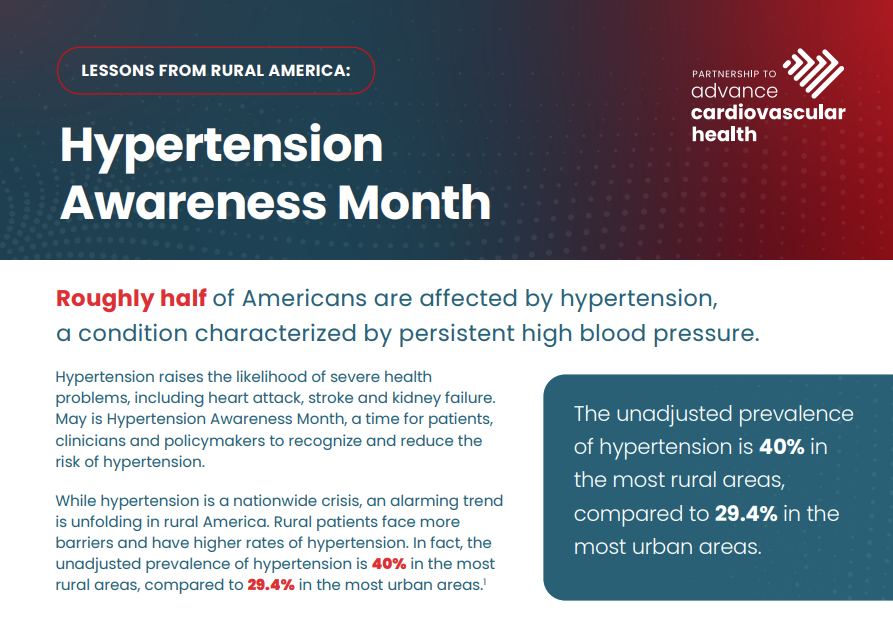
Hypertension in Rural America
Rural patients face more barriers and have higher rates of hypertension. In fact, the unadjusted prevalence of hypertension is 40% in the most rural areas, compared to 29.4% in the most urban areas.

John Woods’ Journey With Resistant Hypertension
John Woods, a renowned chef from Mississippi, dealt with sudden and recurrent hypertensive crises. When his doctor told him about renal denervation, he was finally able to manage his condition.