
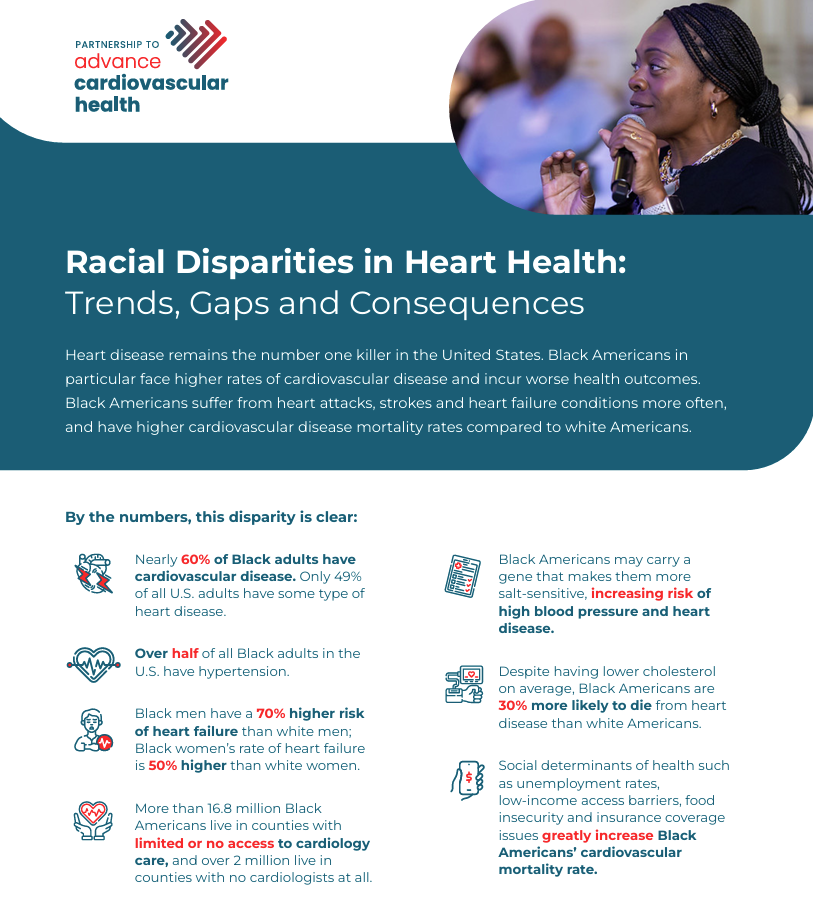
Heart failure is a chronic disease in which the heart muscle is weakened and is unable to pump enough blood and oxygen to the rest of the body.
Papers
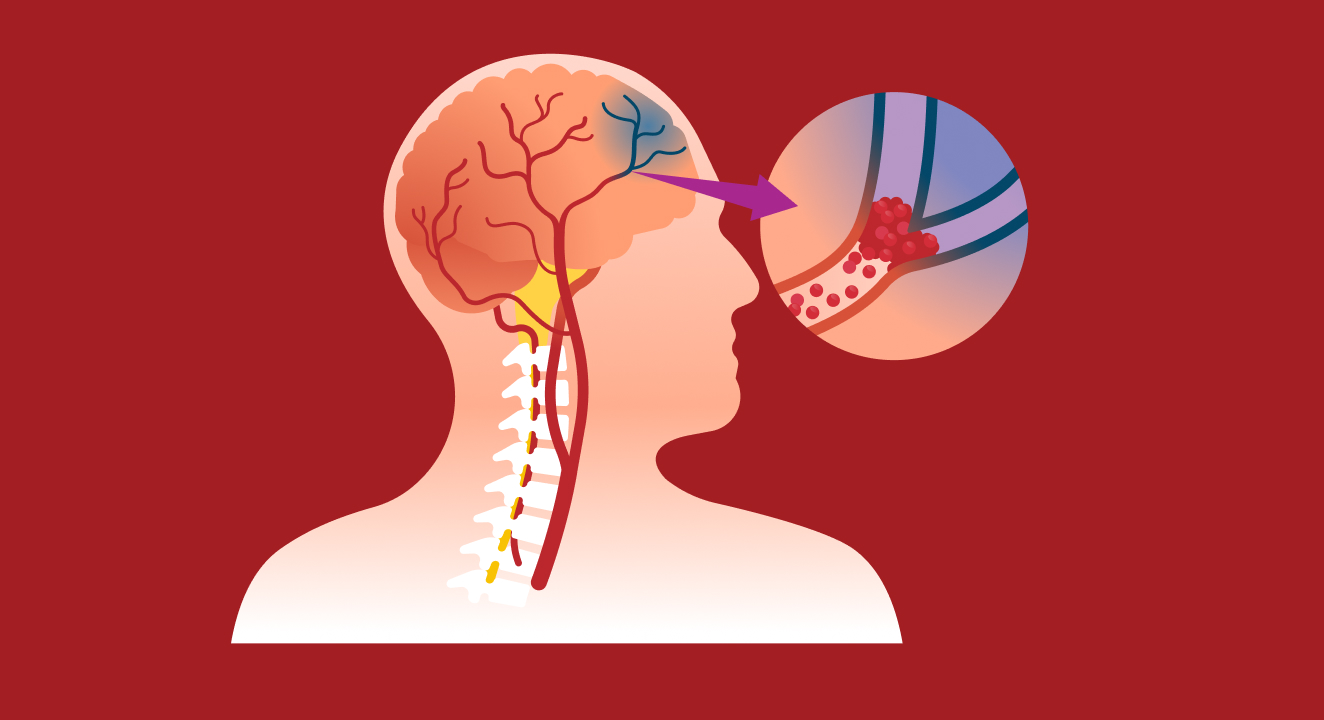
Stroke
A stroke occurs when blood flow to the brain is blocked or there is sudden bleeding in the brain.
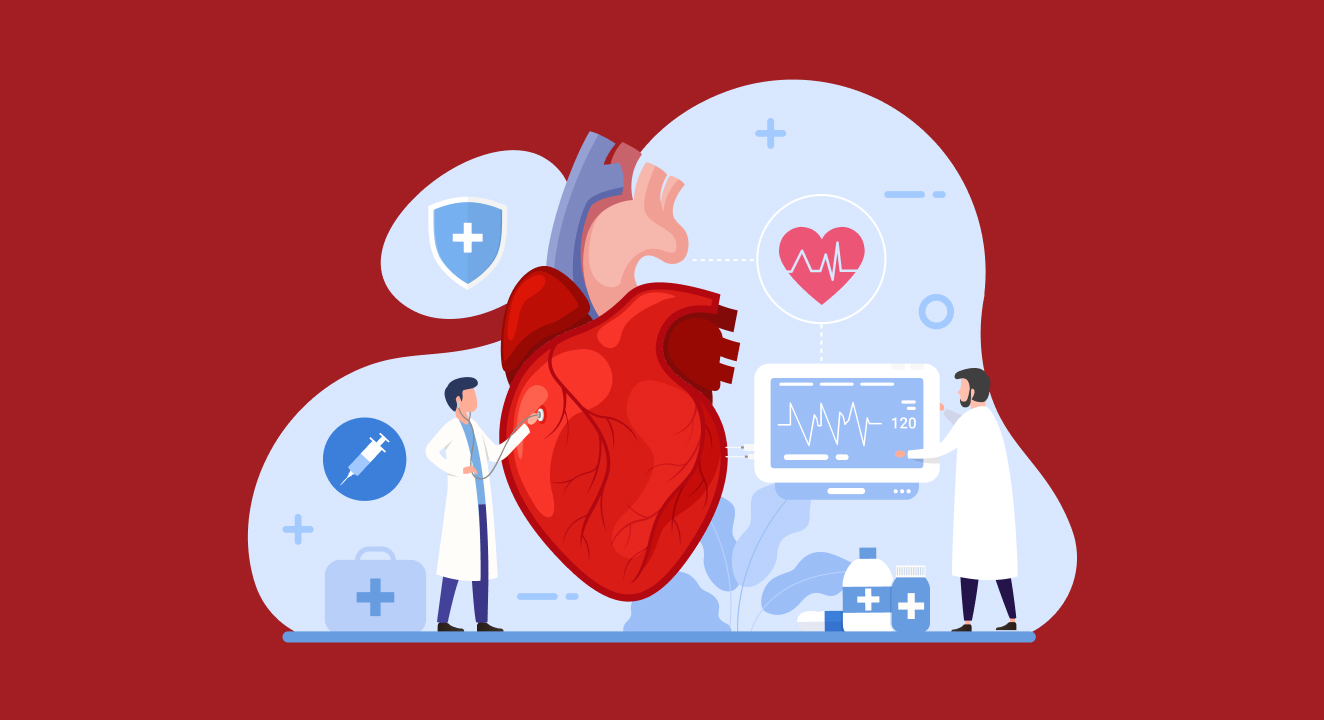
Heart Transplant
A heart transplant is an operation used to remove a damaged or unhealthy heart and replace it with a donor heart.
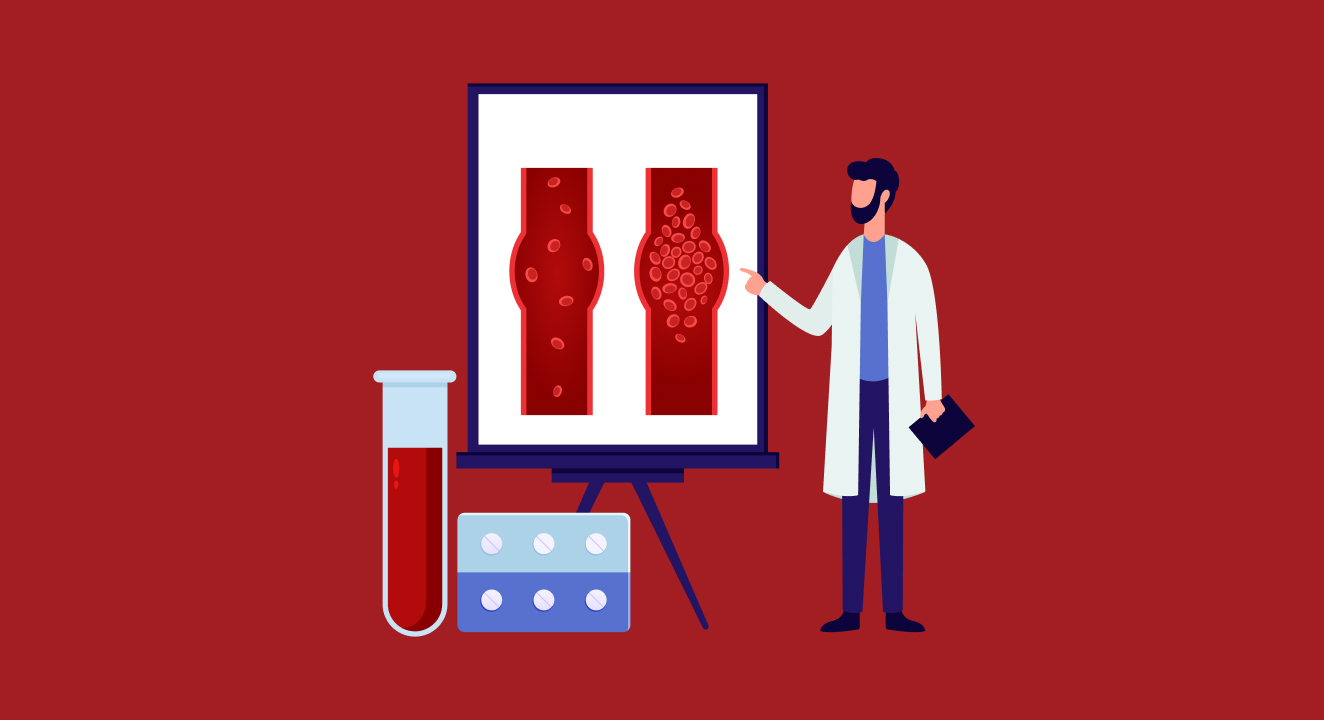
Deep Vein Thrombosis
Deep vein thrombosis occurs when a blood clot forms in the deep veins of the body, usually in the legs.
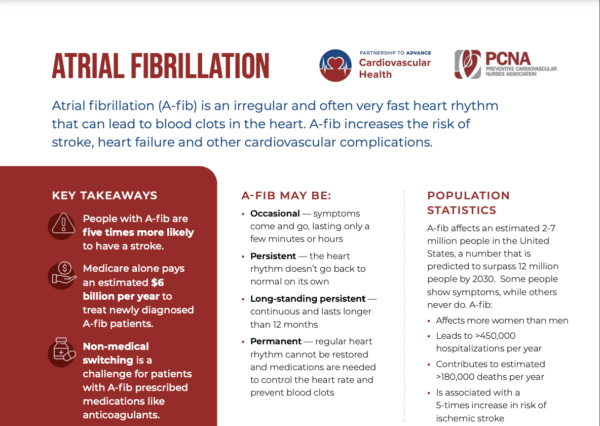
Atrial Fibrillation
Atrial fibrillation increases the risk of stroke, heart failure and other cardiovascular complications.
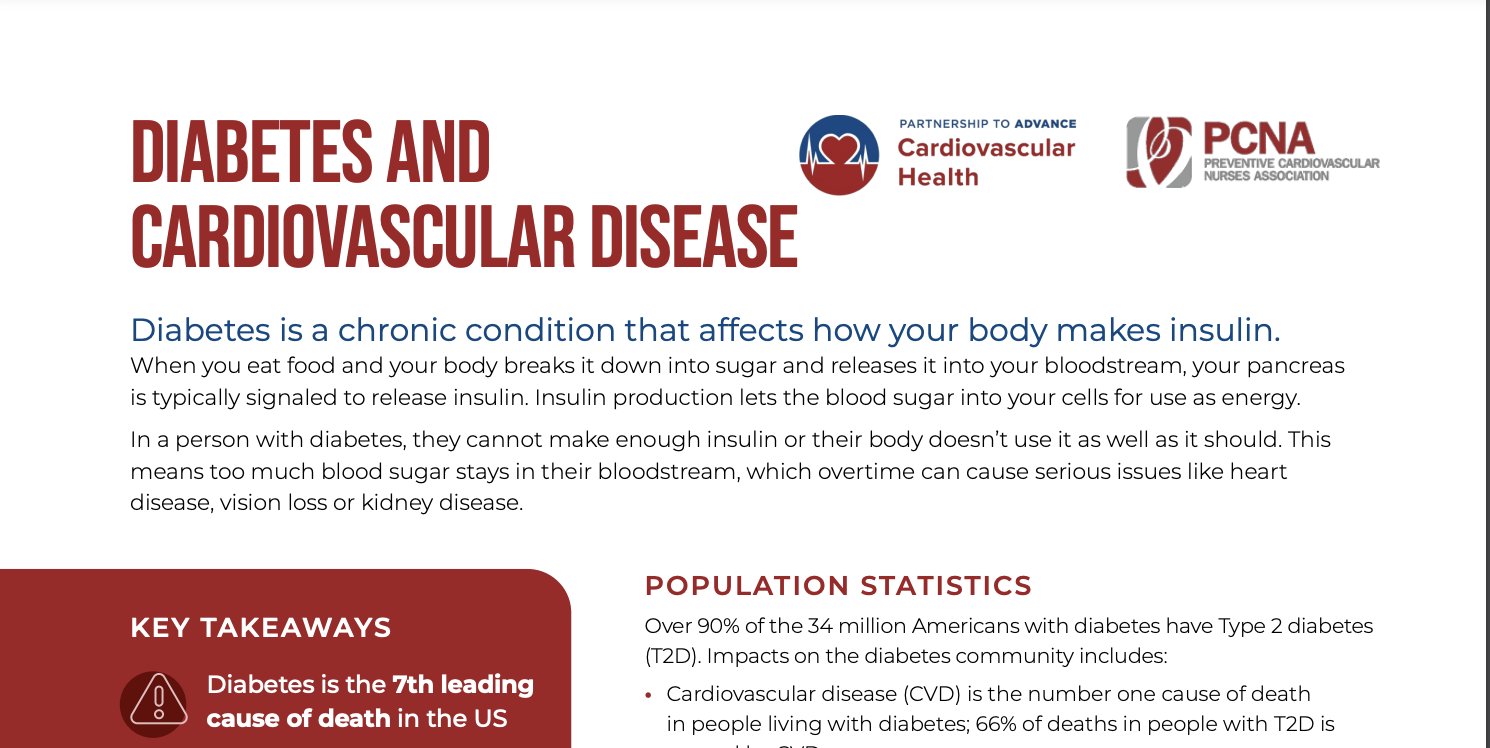
Diabetes and Cardiovascular Disease
Diabetes is a chronic condition that affects how your body makes insulin.
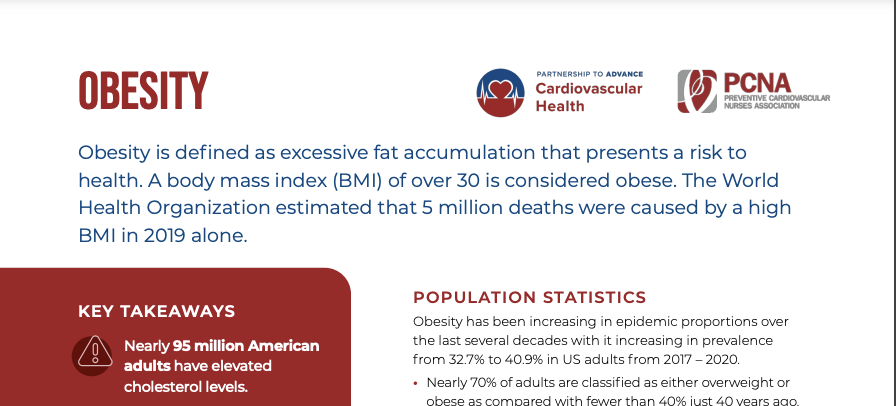
Obesity
Obesity is defined as excessive fat accumulation that presents a risk to health.
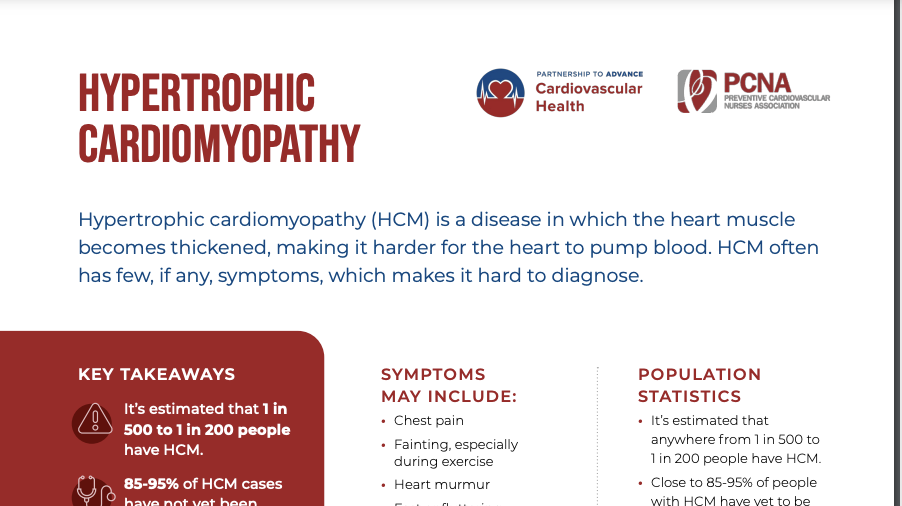
Hypertrophic Cardiomyopathy
Hypertrophic cardiomyopathy is a disease in which the heart muscle becomes thickened, making it harder for the heart to pump blood.
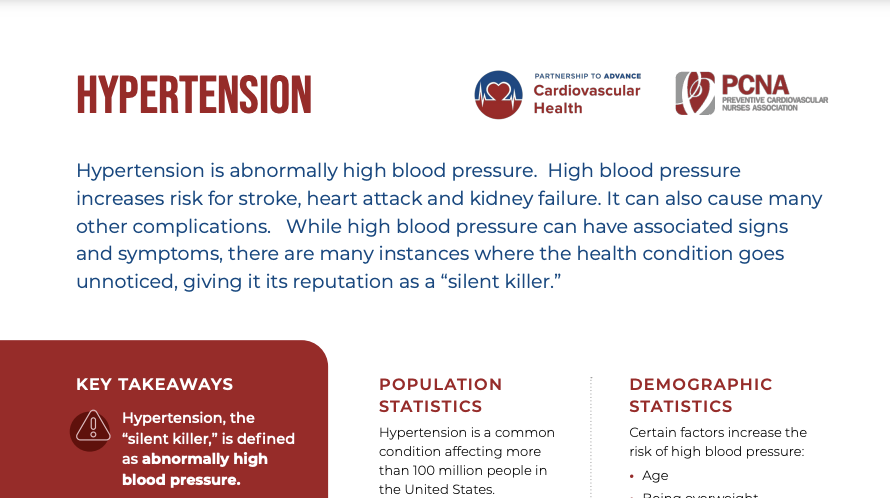
Hypertension
High blood pressure increases risk for stroke, heart attack and kidney failure. It can also cause many other complications.

High Cholesterol
Cholesterol is a fatty substance in the blood. Some cholesterol is necessary, but too much can clog arteries and may cause a heart attack or stroke.
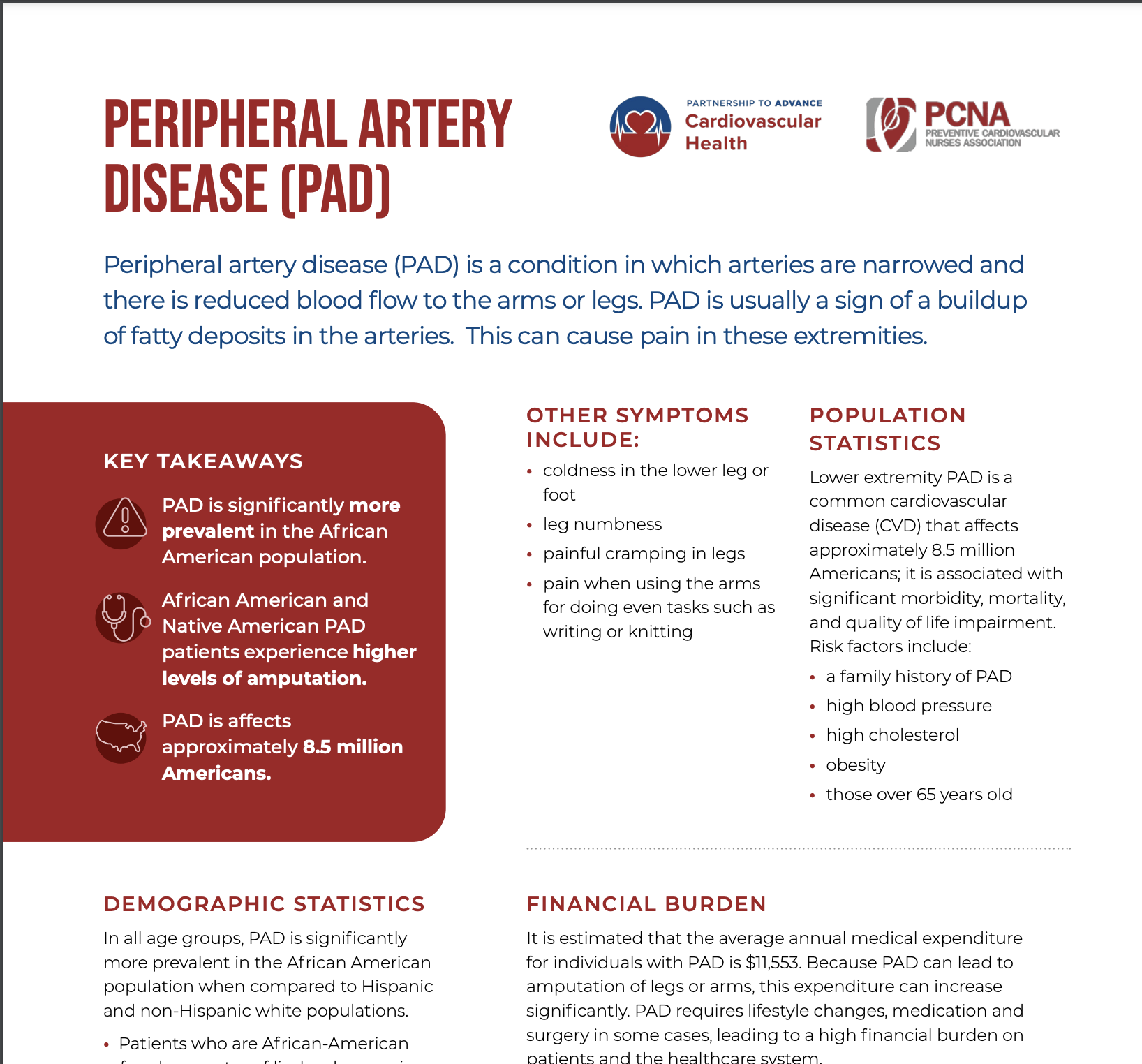
Peripheral Artery Disease
Peripheral artery disease (PAD) is a condition in which arteries are narrowed and there is reduced blood flow to the arms or legs. PAD is usually a sign of a buildup of fatty deposits in the arteries. This can cause pain in these extremities.
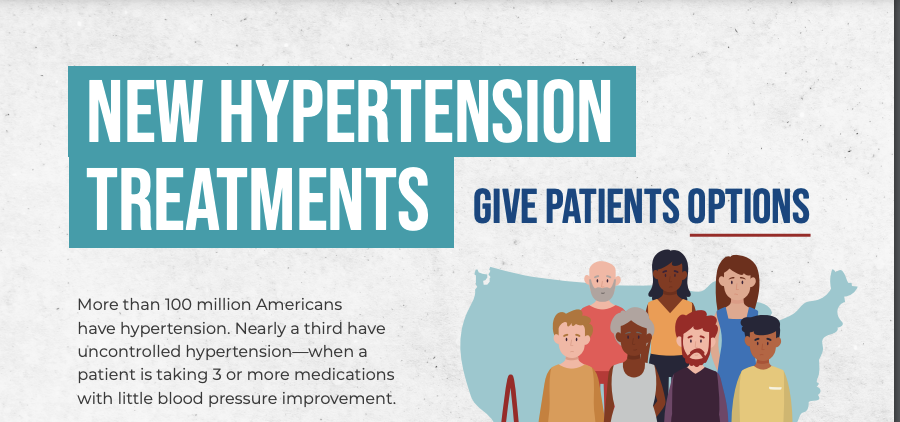
New Hypertension Treatments Give Patients Options
More than 100 million Americans have hypertension. Nearly a third have uncontrolled hypertension—when a patient is taking 3 or more medications with little blood pressure improvement.